
multi-day
Middle Fork
100 miles, 300 rapids, six days out.
class IV
A live river-run guide that turns gauge data, snowpack, and paddler reports into a plan for the day — where it's running, what class it's at, and whether you should be on it.

Three steps. No guesswork.
Current pulls live flow, snowpack, and stage data for every river we track — so you know what's running before you pack.
Class, flow, and the latest paddler reports in one place. The tongue, the holes, the line — spelled out.
Get on the river with a plan. Log your run, update the beta, and the next paddler reads it fresh.
Know before you go.
Real gauge data and snowpack, updated where the river actually is.
Every rapid's class, line, and what's changed since last season.
Put-ins, take-outs, shuttles, and permits in one place.
Forecast the season — what's rising, what's done for the year.
Fresh beta from people who ran it this week, not last decade.
Flood, low water, and closure alerts for the runs you watch.
Shot where the water actually runs.
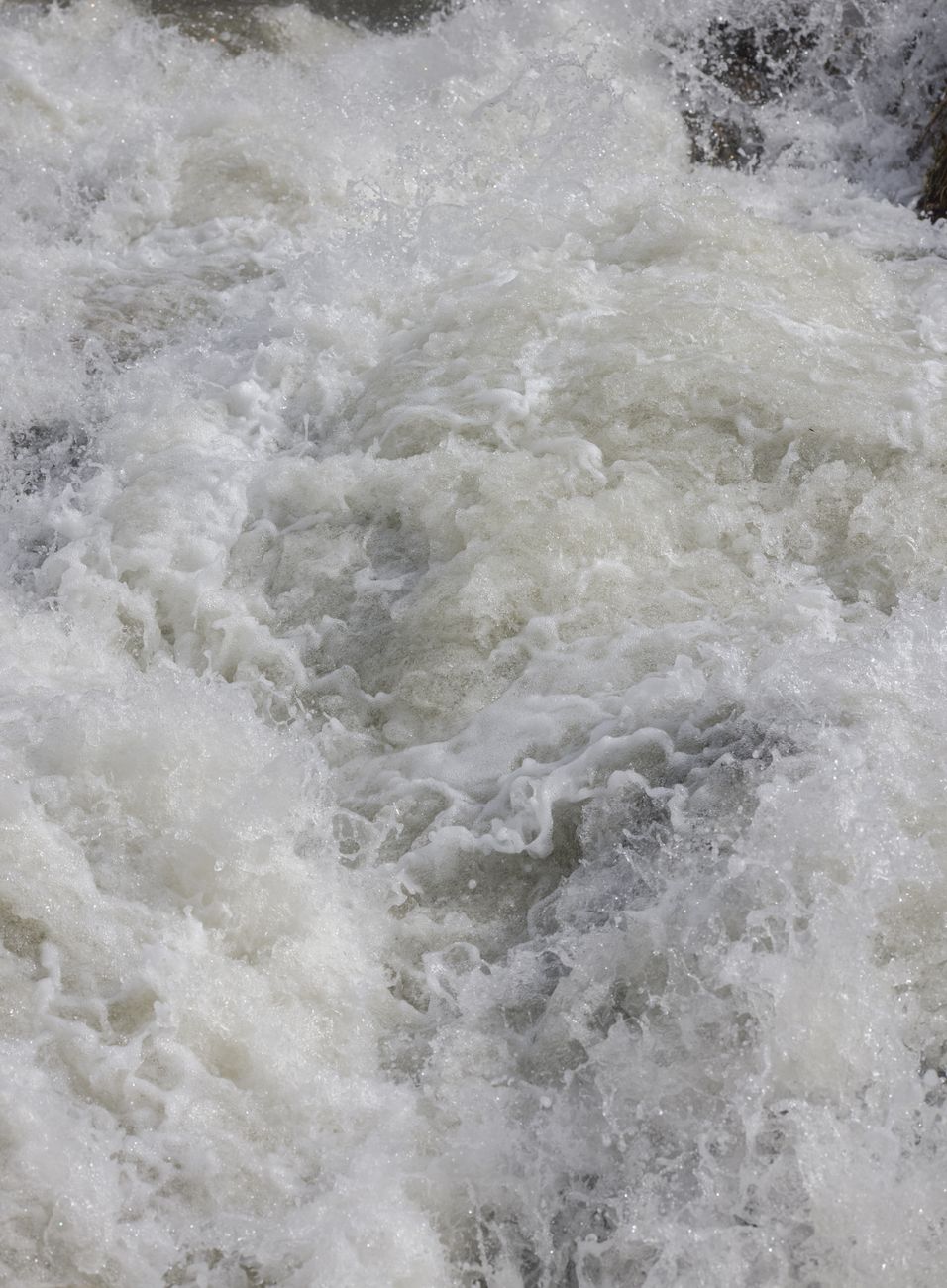
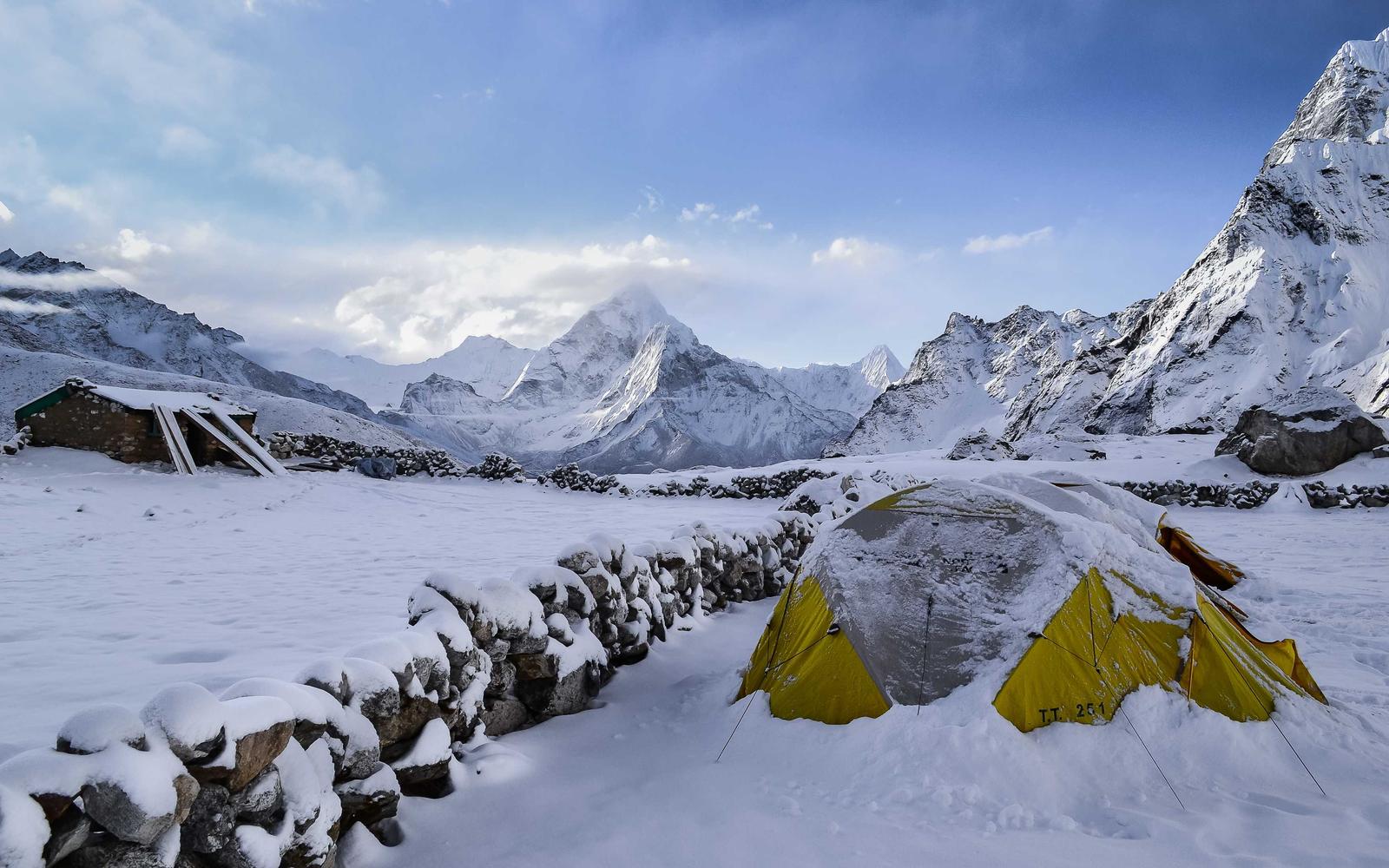
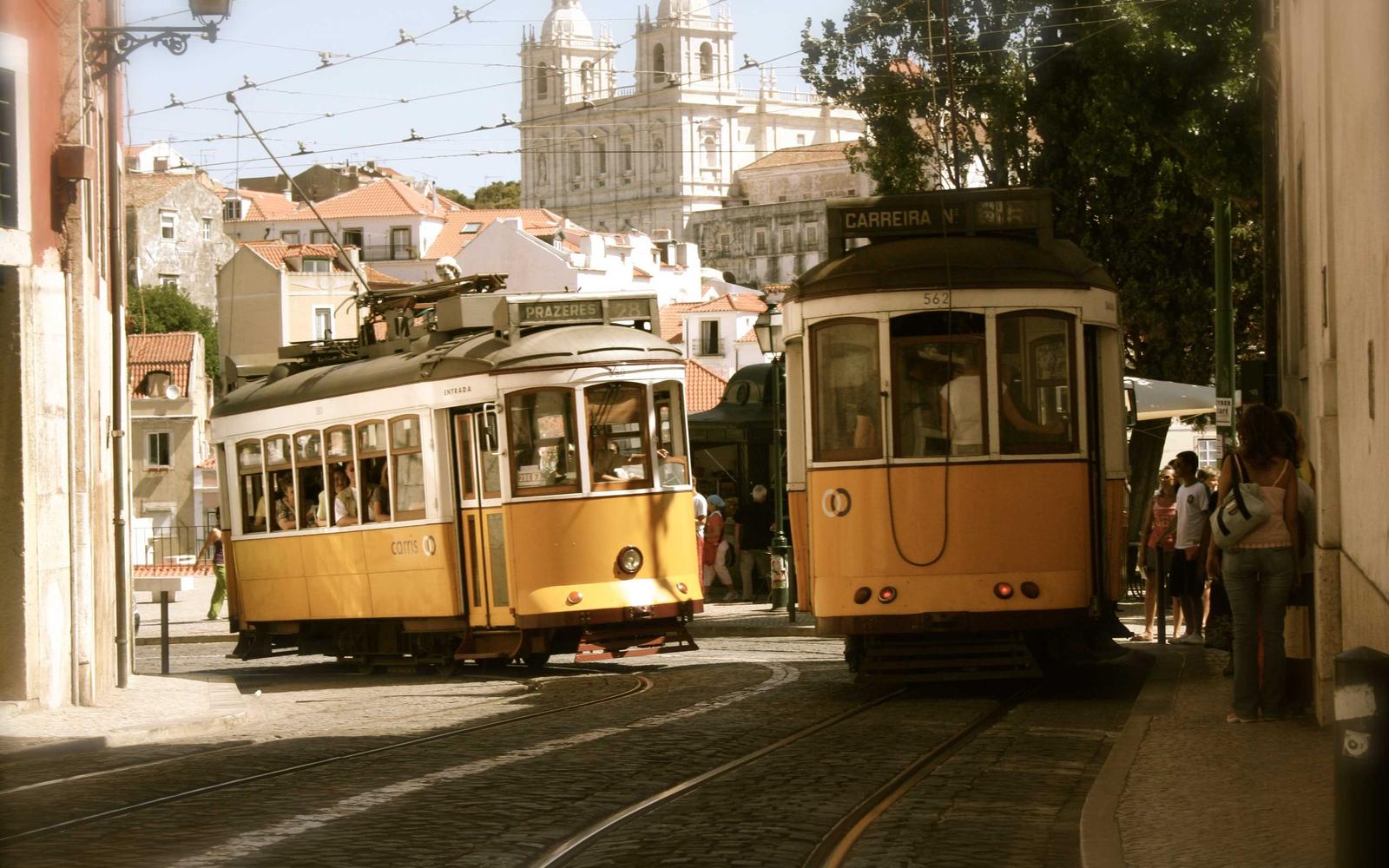
How we read a rapid.
Flat, slow, scrape-proof. First-timers.
Obvious channels, small waves.
Maneuvering required. Eddy lines everywhere.
Consequence. Scout from the bank.
Must-run lines, big drops, no mistakes.
One rapid, one frame at a time.
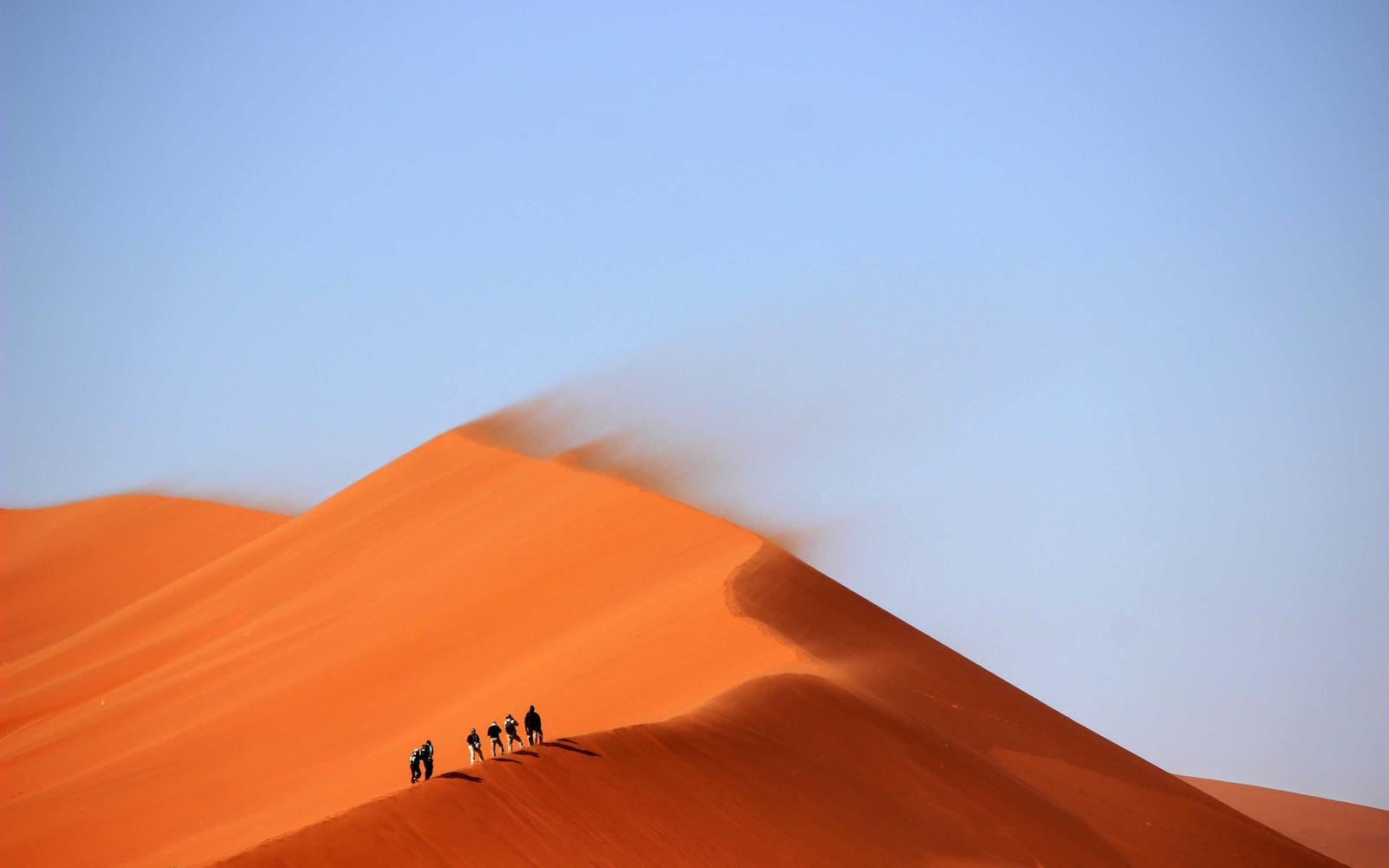
The water decides the plan.
100 miles, 300 rapids, six days out.
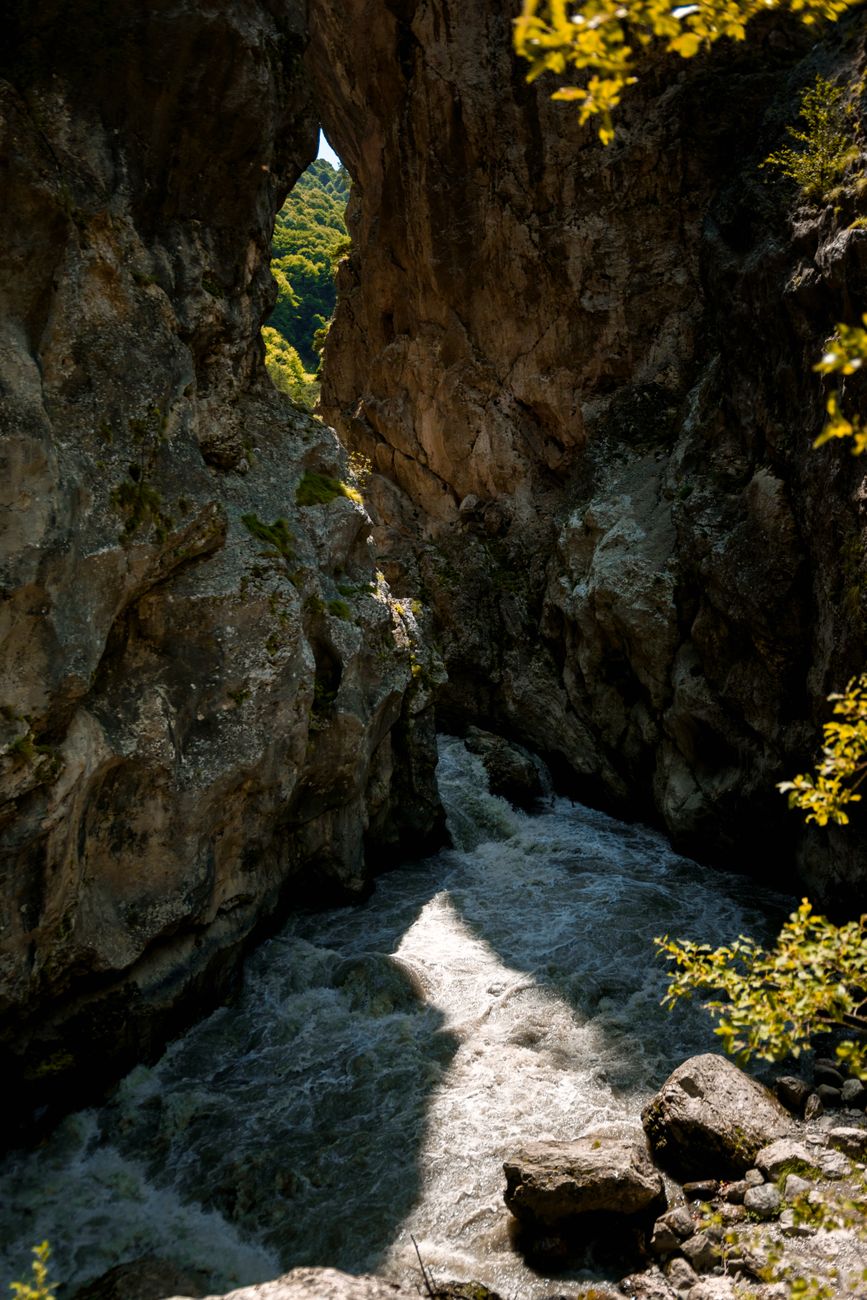
The gorge at full volume, one rowdy day.
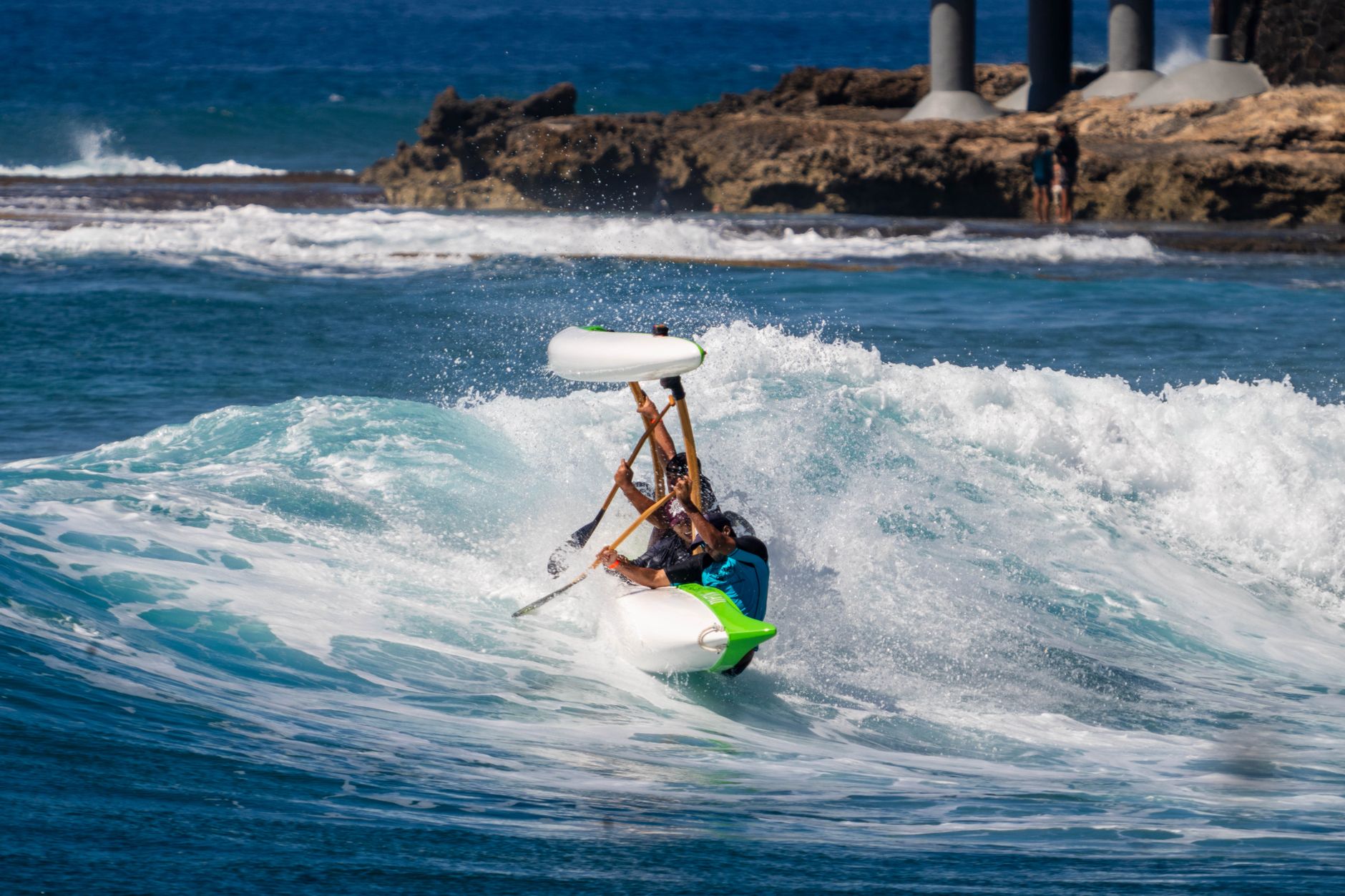
Big drops through Canyonlands.
Four miles of consequence in Colorado.
I learned to read water on the Middle Fork, standing in an eddy with a guide who never looked at a gauge. "The river tells you," he said. "You just have to listen first."
What he meant: a number — 3,400 cfs, class IV — tells you how to pack. The water itself — the tongue, the holes, the color of it — tells you how to run it. There's a world between them, and that's where current lives.
So here's the invitation: pick a river you've never run. Read it. Then go be on it. That's the whole product.
Live, from our backend.
People who finally knew before they went.
"I've checked a dozen flow sites. Current is the first one that tells me the line, not just the number."
"The gauge said 3.4, but a paddler report from that morning said the wood had moved. That's the difference."
"I read the water from my couch, then drove five hours and ran it exactly as described."
Where we're going.
Live flow + stage data for 900 rivers, in beta.
Paddler reports and a run log for every trip.
Snowpack-driven season forecasts, river by river.
Offline gauge maps for the roadless stretches.
read the water.